
Step into the world of Bauhaus design—a style where innovation meets timeless elegance. Born in early 20th-century Germany, Bauhaus brought together art, craftsmanship, and technology to create spaces that are both functional and beautiful. Its influence continues to shape modern interiors today.
Introduction to Bauhaus Interior Design
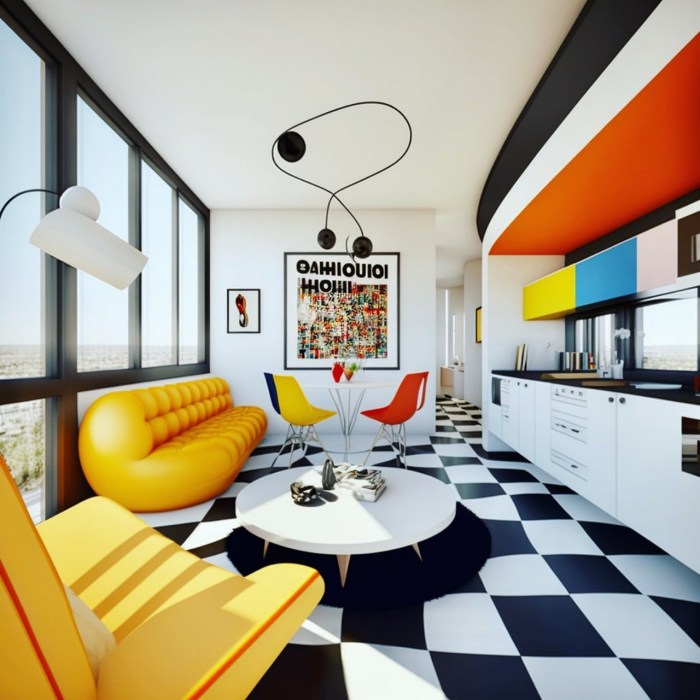
The Bauhaus movement revolutionized design by rejecting ornamentation in favor of clean, functional forms. It emphasized simplicity, geometric shapes, and the honest use of materials like steel, glass, and concrete. The result was a design language that was modern, practical, and accessible to everyone.
Key Characteristics of Bauhaus Interiors
-
Clean lines and simple geometric shapes
-
A focus on function over decoration
-
Integration of art, craftsmanship, and technology
-
Use of primary colors with neutrals like black, white, and gray
-
Open, flexible layouts that adapt to modern living
Lasting Influence
Many of today’s design trends—open floor plans, minimalist furniture, and multipurpose spaces—can be traced back to Bauhaus principles. Modern designers still borrow its color schemes, materials, and geometric aesthetic.
Color Palette in Bauhaus Interiors
Color plays an essential role in Bauhaus design. Bold primary shades—red, blue, and yellow—are paired with neutrals to create balance and visual clarity.
-
Color Theory in Action: Contrasting hues are used to highlight certain features or create rhythm in a room.
-
Emotional Impact: Red brings energy, blue adds calmness, and yellow creates warmth. Each color is chosen intentionally to influence mood and atmosphere.
Furniture and Materials
Furniture is at the heart of Bauhaus interiors, designed to be practical, durable, and stylish.
Iconic Pieces
-
Wassily Chair by Marcel Breuer – tubular steel frame with leather straps, showcasing industrial materials in elegant form.
-
Barcelona Chair by Ludwig Mies van der Rohe – chrome frame and sleek leather cushions, blending comfort with modernism.
Materials
Commonly used:
-
Steel and chrome for strength and a polished look
-
Glass for transparency and openness
-
Leather for durability and texture
Compared to other styles, Bauhaus avoids heavy ornamentation (like Art Deco) and favors geometric, purposeful forms (unlike the softer shapes of Mid-Century Modern).
Spatial Layout and Functionality
Bauhaus interiors prioritize usability and flow.
-
Open Layouts: Few walls, allowing light and movement between rooms.
-
Balance of Form and Function: Every piece of furniture serves a clear purpose.
-
Efficient Design: Multi-use furniture (like convertible sofas or storage-integrated tables) maximizes space.
Lighting in Bauhaus Interiors
Lighting highlights the geometric and functional aspects of Bauhaus spaces.
Common Fixtures
-
Ceiling lights – minimal, sleek designs for general illumination
-
Wall sconces – used to highlight artwork or architecture
-
Floor lamps – clean-lined, often geometric forms
-
Pendant lights – create visual focal points
Lighting is carefully placed to create balance, emphasizing simplicity while enhancing ambiance.
Textures and Patterns
Bauhaus design makes smart use of geometry and texture to keep spaces dynamic without clutter.
-
Geometric Patterns: Lines, squares, circles, and chevrons create rhythm and order.
-
Texture Balance: Smooth glass, polished metal, and raw concrete are combined for depth. The mix keeps the design interesting while staying minimal.
Integration of Technology
Bauhaus was ahead of its time in embracing innovation—something that continues today.
-
Smart Homes: Centralized systems for lighting, heating, and security reflect Bauhaus efficiency.
-
Lighting Tech: Energy-efficient LEDs and smart controls allow customization and sustainability.
-
Sustainable Materials: Recycled metals, eco-friendly finishes, and efficient appliances align with Bauhaus values of honest, purposeful design.
Conclusion
Bauhaus interior design is a perfect blend of beauty and practicality. Its geometric forms, open layouts, and focus on functionality make it as relevant today as it was a century ago. Whether through iconic furniture or bold primary colors, Bauhaus continues to inspire timeless, modern interiors.
FAQ
What defines Bauhaus interiors?
Clean lines, geometric shapes, and functional layouts with minimal decoration.
How does color work in Bauhaus design?
Primary colors (red, blue, yellow) are used with neutrals to create balance and highlight key features.
What materials are typical in Bauhaus interiors?
Steel, glass, leather, and chrome—chosen for durability and modern appeal.
How does Bauhaus design embrace technology?
Through smart systems, innovative lighting, and eco-friendly materials that enhance both efficiency and style.