
House interior design is all about turning a simple structure into a true home. It’s the art of blending comfort, function, and beauty so your living spaces reflect who you are. From colors and textures to furniture choices and lighting, every detail shapes how a home feels and how well it works for everyday life.
What Is House Interior Design?
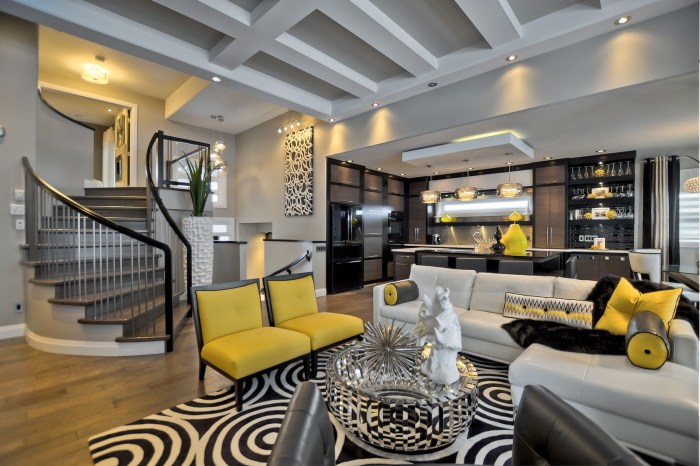
Interior design goes beyond decorating—it’s about creating functional, inviting spaces that fit your lifestyle. It combines layout planning, furniture selection, lighting, and color schemes to bring harmony and flow to your home.
Why Interior Design Matters
-
Better Functionality: Smart layouts maximize space and make daily life easier.
-
Stronger Aesthetics: Furniture, color, and decor choices elevate the look and feel of your home.
-
Well-Being Boost: A calm, organized, and balanced space supports relaxation and productivity.
Personal Expression Through Design
-
Show Your Personality: Artwork, furnishings, and decor let you express your unique taste.
-
Create Connection: Customized interiors make you feel more at home.
-
Prioritize Comfort: Tailoring design to your lifestyle ensures your home is both beautiful and livable.
Core Elements of Interior Design
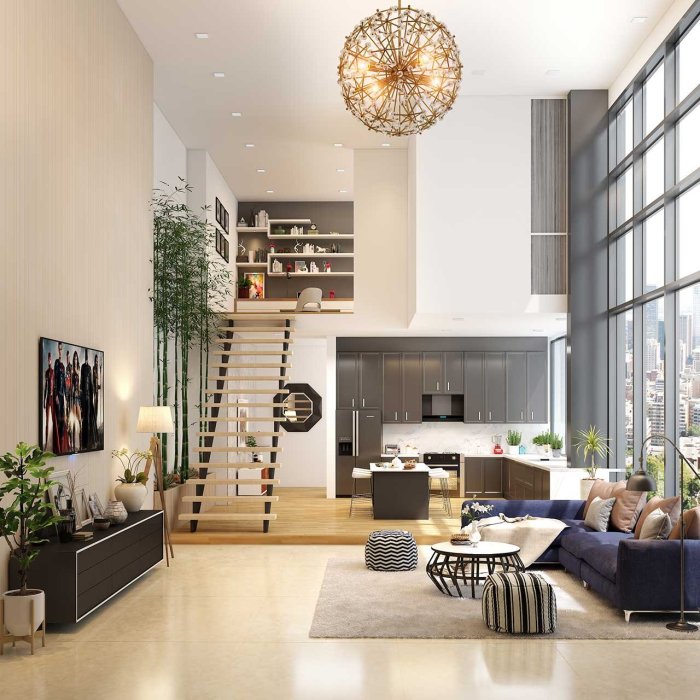
Interior design is built on a few key elements that work together to create balance and beauty.
Color
Colors set the mood. Warm tones like reds and oranges feel cozy, while cooler shades like blues and greens promote calm.
Texture
Textures add depth—plush rugs, smooth leather, or rustic wood can transform a plain space into something dynamic and layered.
Lighting
Lighting shapes ambiance. Natural light opens up a room, while thoughtful artificial lighting highlights features and sets the mood.
Furniture
Furniture defines both function and style. The right pieces should be comfortable, practical, and aligned with the design theme.
Balance & Proportion
A well-designed room feels “just right.” Balance distributes visual weight evenly, harmony ties everything together, and proportion ensures pieces fit the scale of the room.
Playing with Color Schemes
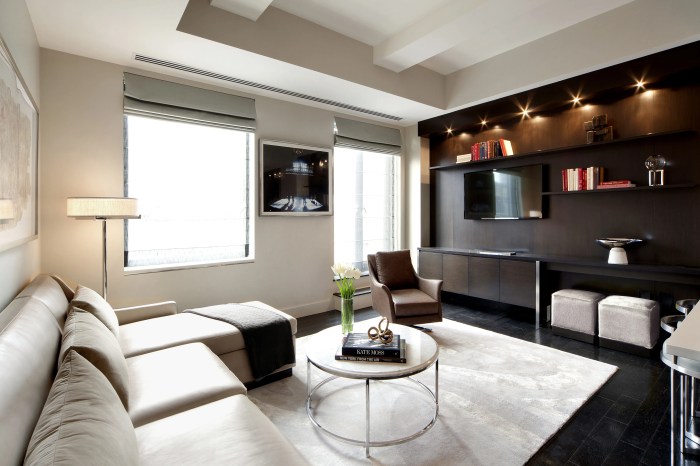
Color palettes have a huge impact on the overall vibe of a home.
-
Monochromatic: Different shades of the same color create calm and cohesion.
-
Complementary: Opposite colors (like blue and orange) bring energy and contrast.
-
Analogous: Neighboring colors (like blue, teal, and green) feel natural and harmonious.
Warm tones energize social spaces, while cool colors are best for restful areas like bedrooms and offices.
Furniture Selection & Arrangement
Furniture is both the backbone of a design and a major style statement.
Why It Matters
Good furniture balances practicality with beauty. Quality pieces last longer and define the room’s character.
Tips for Arranging Furniture
-
Identify the focal point of the room.
-
Keep pathways clear for easy movement.
-
Mix furniture sizes for balance and interest.
-
Match furniture scale to the size of the room.
-
Try different layouts before finalizing.
Current Trends
Minimalist designs, multifunctional pieces, and sustainable materials are popular. Vintage-inspired furniture is also making a strong comeback.
Lighting Design
Lighting does more than brighten a room—it creates atmosphere.
Main Types
-
Ambient: General lighting like ceiling fixtures or chandeliers.
-
Task: Focused light for activities like reading or cooking.
-
Accent: Highlights art, architecture, or focal points.
Tips for Better Lighting
-
Use layers of light for depth and flexibility.
-
Install dimmers to adjust brightness and mood.
-
Maximize natural light with sheer curtains and smart window placement.
Wrapping Up
House interior design isn’t just about looks—it’s about creating spaces that feel good to live in. With the right mix of color, furniture, lighting, and personal touches, any home can become a stylish, functional, and welcoming haven.
Take inspiration, experiment with ideas, and design a space that truly feels like yours.
FAQs
How important is lighting in design?
Lighting defines ambiance and can make a room feel cozy, open, or dramatic.
What color schemes work best?
Monochromatic, complementary, and analogous palettes are all common. The best choice depends on the room’s purpose and mood you want to create.
Why is furniture selection so important?
Furniture determines comfort and function while setting the overall style and balance of a space.