
Step into the calming world of Nordic interior design—where simplicity, nature, and functionality come together in perfect harmony. This timeless style is all about clean lines, soft tones, and cozy touches that create spaces both practical and beautiful.
Introduction to Nordic Interior Design
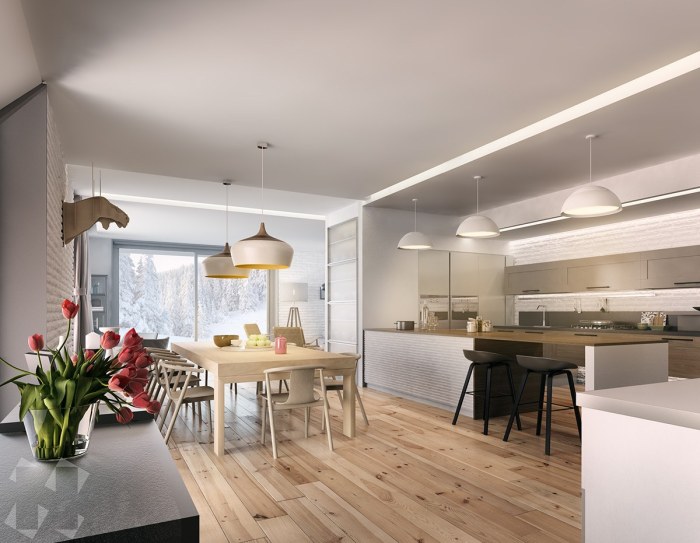
Originating from Denmark, Finland, Iceland, Norway, and Sweden, Nordic design embraces minimalism and comfort. It focuses on uncluttered spaces, natural elements, and creating interiors that feel both warm and practical.
Key Features of Nordic Design
-
Neutral Colors – Whites, greys, and soft earthy tones for a calm atmosphere.
-
Natural Materials – Wood, stone, and wool for warmth and texture.
-
Functional Furniture – Simple yet practical pieces designed for comfort.
-
Minimalist Decor – Clean lines and clutter-free spaces.
-
Light-Filled Rooms – Big windows and pale walls to maximize daylight.
Influences and Origins
This style grew out of the Nordic climate and landscape. Long, dark winters created a need for warmth, brightness, and comfort indoors. Inspired by modernism and Bauhaus principles, it has evolved into a timeless approach that values both form and function.
The Nordic Color Palette
Color plays a key role in creating the soft, airy feeling typical of Nordic interiors.
Light and Bright
Shades like white, beige, pale grey, and soft pastels reflect natural light, making rooms feel bigger and brighter.
Subtle Pops of Color
Muted tones such as dusty pink, soft blue, or sage green can be added through textiles, art, or decor. These accents bring personality without overwhelming the serene backdrop.
Furniture and Decor in Nordic Spaces
Furniture in Nordic interiors is practical, comfortable, and understated—each piece has a purpose.
Common Furniture Choices
-
Scandinavian chairs with light wood and sleek lines
-
Mid-century sofas in neutral tones
-
Wooden coffee tables for warmth and texture
-
Smart storage solutions like modular shelving or sleek cabinets
-
Textured rugs for coziness and depth
Function Meets Minimalism
Every piece is thoughtfully chosen—stylish yet useful, simple but comfortable. The goal is to keep spaces open and clutter-free.
Blending Textures and Materials
Mixing natural textures like wool throws, leather chairs, and wooden tables adds richness without losing the minimalist look. Balancing these elements creates a cozy yet modern feel.
Lighting in Nordic Design
Lighting is essential to this style, especially since natural light is so treasured in Nordic countries.
Natural Light
Large windows, sheer curtains, and pale walls help maximize daylight, creating bright and airy rooms.
Lighting Fixtures
-
Pendant lights for modern elegance
-
Table lamps to add warmth and coziness
-
Wall sconces for soft accents and highlights
Tips for Cozy Lighting
-
Use warm bulbs for a welcoming glow
-
Layer light sources—overhead, floor lamps, and candles
-
Add dimmer switches for flexibility
Nature and Sustainability
Bringing nature indoors is at the heart of Nordic design.
Natural Elements
-
Wooden tables and stone countertops
-
Rattan chairs or leather accents
-
Indoor plants like ferns, olive trees, or succulents
-
Textiles made from wool, linen, or cotton
Eco-Friendly Practices
-
Furniture made from reclaimed or recycled materials
-
LED lights and energy-efficient solutions
-
Low-VOC paints for better air quality
This balance of beauty and sustainability makes Nordic interiors both stylish and environmentally conscious.
Closing Thoughts
Nordic interior design is all about calm, comfort, and connection to nature. With its soft colors, functional furniture, and cozy textures, it transforms homes into peaceful retreats that feel timeless yet modern.
FAQs
What defines Nordic interior design?
Clean lines, natural materials, neutral colors, and a focus on functionality.
How can I add color without breaking the style?
Use muted accents—like cushions, rugs, or artwork—in soft pastels or earthy tones.
Why is natural light so important?
It enhances brightness, warmth, and creates an open, airy feel.
How do I bring nature indoors?
Incorporate wood, stone, plants, and natural textiles like wool and linen.
What makes Nordic design sustainable?
Eco-friendly materials, recycled furniture, energy-efficient lighting, and low-impact finishes.