
Step into the world of Bauhaus interior design, where creativity and function come together to shape a timeless style. This guide explores the core features, history, and modern influence of Bauhaus interiors.
What Defines Bauhaus Interior Design
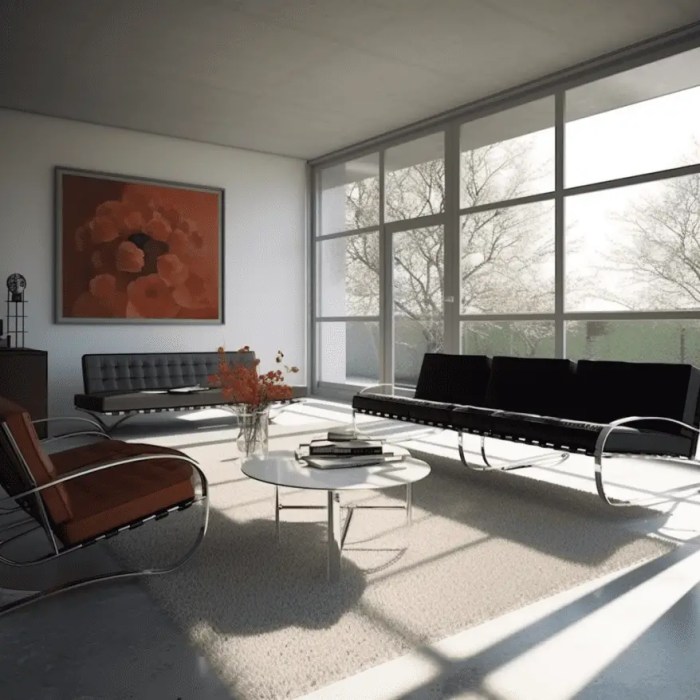
Bauhaus interiors are known for their clean lines, minimalism, and geometric shapes. Born in the early 20th century during the rise of industrialization, this style embraced new materials and modern methods.
Founded in 1919 by Walter Gropius in Germany, the Bauhaus movement set out to merge art, craftsmanship, and technology into a new vision of design—simple, functional, and forward-looking.
Key Features of Bauhaus Interiors
-
Minimalism with clean lines and geometric forms
-
Focus on practicality and usability
-
Use of modern materials like steel, glass, and concrete
-
Seamless blend of art and craftsmanship
-
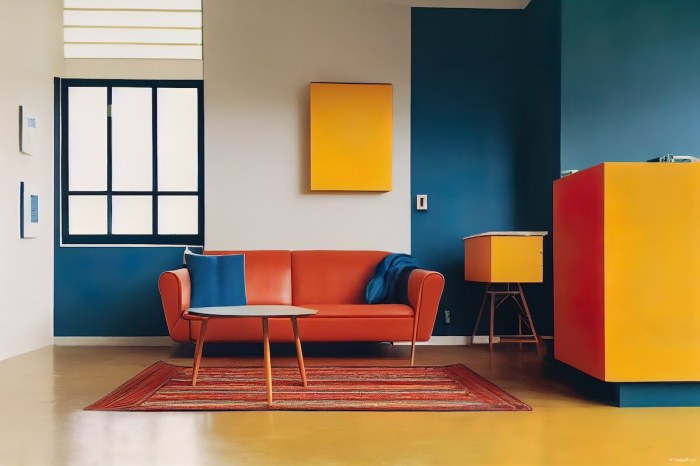
Neutral tones with touches of bold primary colors
Main Principles Behind the Style
-
Form follows function – design must serve its purpose
-
Unity of art and technology – industrial production meets artistic vision
-
Celebration of modern materials – showcasing steel, glass, and concrete
-
Simplicity and clarity – cutting out unnecessary details
Influence on Modern Design
The Bauhaus philosophy continues to inspire interiors today. Its balance of function and beauty shaped contemporary design, encouraging open, simple, and practical spaces.
The Bauhaus Color Palette
Color is central to Bauhaus interiors, not just for decoration but for structure and meaning.
Common Color Schemes
The palette often includes bold primaries—red, blue, yellow—paired with black, white, and grey. These shades are typically used in sharp blocks or geometric designs, keeping the look clean and striking.
Why Color Matters
Colors highlight shapes, define spaces, and bring balance. Primary shades add energy and contrast, while neutrals keep things grounded.
Using Primary Colors
Red, blue, and yellow are used in their purest form to create rhythm and contrast. A single bold accent—like a red chair in a white room—can instantly make a space feel Bauhaus-inspired.
Furniture and Materials in Bauhaus Design
Furniture is at the heart of Bauhaus interiors. Designs are sleek, purposeful, and made with modern materials.
Iconic Furniture Pieces
-
Wassily Chair by Marcel Breuer – tubular steel frame with leather
-
Barcelona Chair by Ludwig Mies van der Rohe – chrome frame with leather cushions
-
Bauhaus Coffee Tables – glass, steel, and wood combined with geometric precision
-
Bauhaus Desks – smooth surfaces, minimal forms, and practical storage
Common Materials
-
Steel – durable and modern
-
Leather – adds refinement
-
Glass – brings openness and lightness
-
Wood – used sparingly for warmth and contrast
Balancing Function and Style
Every Bauhaus piece is designed to serve a purpose while looking elegant. Clean lines and geometric forms keep furniture both practical and timeless.
Influence on Modern Furniture
Many contemporary furniture designs echo Bauhaus—favoring minimalism, functional forms, and industrial materials.
Space and Layout in Bauhaus Interiors
Open, uncluttered spaces define the Bauhaus approach. The layout is simple, airy, and carefully balanced.
Open Space Concept
Walls are minimized, and unnecessary items are removed to create flow and light.
Layout Principles
Balance, symmetry, and geometry guide how rooms are arranged. Furniture is placed to enhance movement and harmony.
Furniture Placement
Pieces are positioned with intention—not just for use but also as focal points. Iconic chairs and tables often double as art within the room.
Comparing Other Styles
Unlike ornate Victorian or Baroque interiors, Bauhaus is stripped back, modern, and functional. The openness and clarity set it apart from more decorative approaches.
Closing Thoughts
Bauhaus interior design continues to influence homes and spaces today. Its mix of minimalism, strong colors, and functional elegance makes it a timeless choice for anyone seeking a modern yet classic look.
FAQ
What makes Bauhaus interiors unique?
Their simplicity, functionality, and balance of form and purpose.
How did Bauhaus shape modern design?
It introduced clean lines, geometric forms, and industrial materials into interiors.
What colors are typical in Bauhaus spaces?
Bold primary colors with black, white, and grey.
What materials are most common?
Steel, glass, leather, and sometimes wood.
How is space arranged in Bauhaus interiors?
Open layouts with minimal furniture, creating flow and airiness.