
Step into the world of decor interiors, where every detail helps shape a home’s personality. From colors that set the mood to lighting that changes the feel of a room, design is more than looks—it’s about creating spaces that bring comfort and joy.
Textures, patterns, and thoughtful details can turn an ordinary room into a cozy retreat. Let’s explore how interior decor can transform living spaces into something truly special.
Why Decor Interiors Matter
Good interior design doesn’t just make a room pretty—it affects how we feel and live every day.
Mood and Productivity
The right mix of light, color, and layout can lift your mood and help you focus. A bright, airy living room with soft seating makes it easy to relax, while a well-lit, organized office can boost concentration and energy.
Personal Style
Your home should reflect who you are. The furniture, art, and accessories you choose show your personality, whether you lean toward modern simplicity, rustic warmth, or a bold, eclectic vibe.
Key Elements of Decor Interiors
Furniture
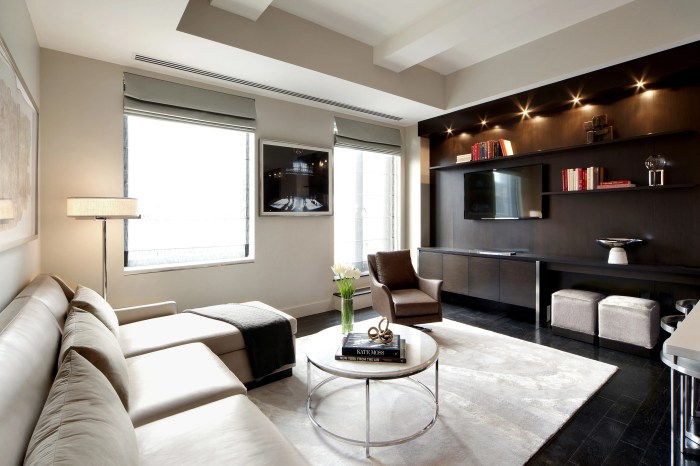
Furniture is both functional and stylish. A striking sofa, a cozy chair, or even a simple coffee table can define the look and purpose of a space.
Lighting
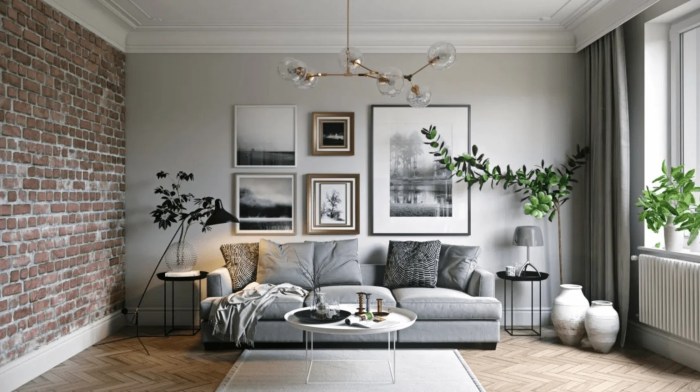
Lighting sets the mood and highlights what matters most. Natural light brightens and opens up a room, while lamps and fixtures add warmth and focus.
Colors
Colors create atmosphere. Neutral palettes keep things calm and balanced, while bold shades add energy and drama.
Accessories
Rugs, curtains, art, and small decor pieces pull everything together. They add depth, texture, and points of interest that make a room feel complete.
Textures and Patterns
Mixing materials and patterns keeps a room from feeling flat. Think soft rugs with wooden accents or patterned cushions on a plain sofa. These layers bring warmth and personality.
Popular Decorating Styles
Each style has its own charm:
-
Modern – sleek lines, minimal colors, and practical design
-
Minimalist – clean, clutter-free, “less is more” approach
-
Traditional – rich colors, symmetry, and classic details
-
Bohemian – colorful, eclectic, and full of global influences
Choosing Color Schemes
Colors can change the feel of a room instantly:
-
Living Room – warm neutrals with small pops of color for coziness
-
Bedroom – calming tones like soft blues, greens, or lavender for relaxation
-
Kitchen – cheerful shades like yellow or red for energy and warmth
Space Planning and Layout
How you arrange furniture is just as important as what you choose.
-
Leave clear walkways to avoid clutter
-
Use furniture to define different zones, like seating or dining areas
-
Balance pieces throughout the room to keep it visually appealing
-
Consider scale so the space feels open, not cramped
Lighting Design
Types of Lighting
-
Ambient – general lighting for the whole room
-
Task – focused lighting for activities like reading or cooking
-
Accent – highlights art, features, or decor
Tips for Layering Light
-
Start with ambient lighting
-
Add task lights where needed
-
Use accent lighting to highlight features
-
Install dimmers to adjust the mood
-
Make the most of natural light
Final Thoughts
Decor interiors go beyond decoration—they create spaces that feel like home. By mixing the right colors, furniture, and lighting, you can design a room that looks beautiful, feels inviting, and reflects your style.
Quick Q&A
How do interiors affect mood and productivity?
They set the tone of a space, making you feel relaxed, energized, or focused.
What are the key elements of decor interiors?
Furniture, lighting, colors, accessories, and textures.
Which design styles are popular?
Modern, minimalist, traditional, and bohemian.
How does color influence a room?
Colors shape mood—calm, cozy, lively, or bold—depending on the palette.
Why is space planning important?
It improves flow and functionality, making the space work better for daily life.